Ghost Leaf

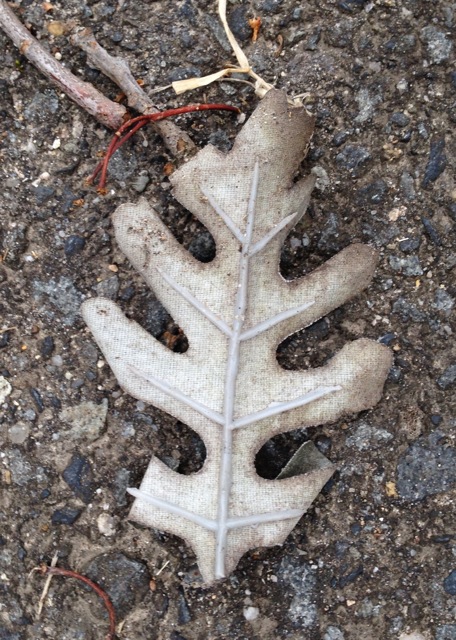
Ghost oak leaf

Oak leaf rimed,
Bleached winter white,
Stark skeleton aglow.

A bit of starlight,
Its light grown white,
A transient in the universe,

The writing is plain:
An early calling card
Of Lady Spring’s visit.

Perhaps I’ll pour the tea,
Remembering heat,
Wishing for sunlight.

Copyright 2015 Brenda Davis Harsham

Note: I’ll lift my teacup in a toast to Lady Spring, whose velvety green cloak will swirl around us any day. And I’ll dedicate this ghostly post to Poetry Friday, this week hosted by a wonderful children’s poet, Amy Ludwig VanDerwater, at her blog, The Poem Farm. It’s National Poetry Month, and the kidlitosphere is lit by the radiance of many special events, some listed by Jama, the Poetry Potentate. If you like poetry, you can dine until sated this month!

Poetry Friday Badge

Sycamore at Sunset

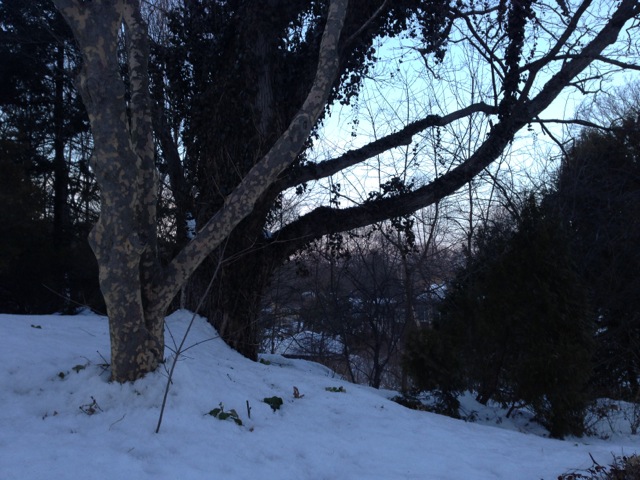
Sycamore tree, winter sunset

Winter light dwindles to a pale sunset.
Sycamore bark peels in patches.
Ever on sentry duty, an eye on the horizon,
Glowing like a desert landscape,
The silent tree watches for
Spring, as winter melts away.

Copyright 2015 Brenda Davis Harsham

Diamond Snow Tanka

Trees knee deep in snow

pink morning light
gilds young trees, knee-deep in ice
thousands of diamonds

break light into rainbows,
blinding me to spring

Copyright 2015 Brenda Davis Harsham

NoteTanka is defined in Oak Leak Tanka. This photograph was taken this spring. You can compare it to a picture taken last winter of the same trees in Five Brothers Tanka. This poem is in honor of Poetry Friday, hosted this week by Check it Out.

Poetry Friday Badge

Spring Magic

 And above all, watch with glittering eyes
the whole world around you because the greatest secrets
are always hidden in the most unlikely places.
Those who don’t believe in magic will never find it.

— Roald Dahl (Minpins, 1991)

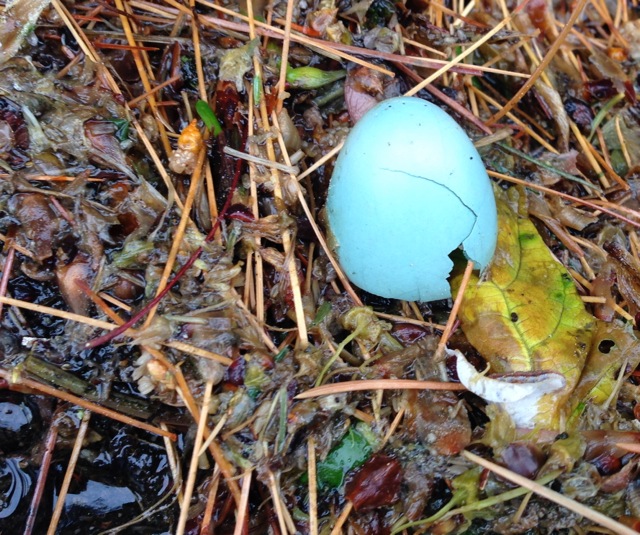
Robin Egg Shell

Drip,
Rain
Drop
Plops,
Spring will come
With black mud, bees
And crocuses beneath trees.
Baby robins will scatter shells.
Fairies will chant vernal spells.
Birds will sing madrigals at dawn
To wood violets blooming on the lawn.
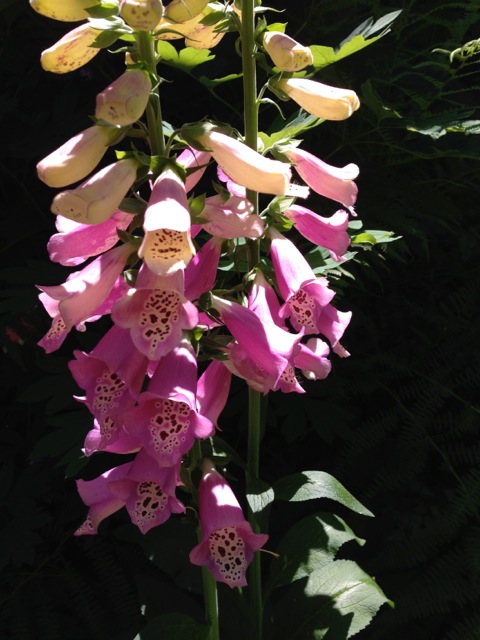
Foxglove’s speckled trumpets will play
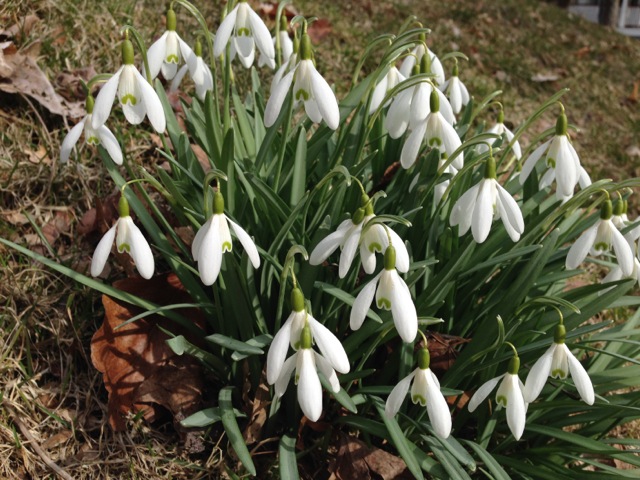
With snowdrops and magnolias in May.

Copyright 2015 Brenda Davis Harsham

Foxglove in Sunshine

snowdrops
IMG_6772

Ours shall be the gypsy winding
Of the path with violets blue, 
Ours at last the wizard finding
Of the land where dreams come true.

— Lucy Maud Montgomery (from Spring Song)

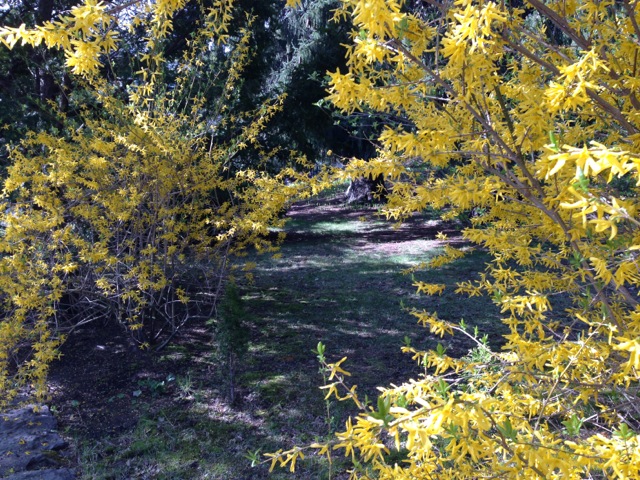
Note: My poem, Spring Magic is a concrete poem, taking the shape of a drooping tulip or possibly a lily of the valley bell as suggested by Matt Forrest Ersenwine. Thanks, Matt! Happy Spring! This post is an ode to Spring in honor of the Vernal Equinox which is at 6:45 p.m. here on March 20, 2015. And a happy coincidence, also in honor of Poetry Friday, hosted this week by Catherine Flynn at Reading to the Core who shared a wonderful original poem for World Folk Tales and Fables Week. I hope you have time to visit her. The photographs were all taken last spring — this year the ground is covered by a knee-deep sea of receding white ice.

Poetry Friday with kids

Wordless Song of Seasons

Oak Leaf Hydrangea in Snow Wet Red Leaf Pink Flowers IMG_7804

Copyright 2015 Brenda Davis Harsham

Sounds of Spring

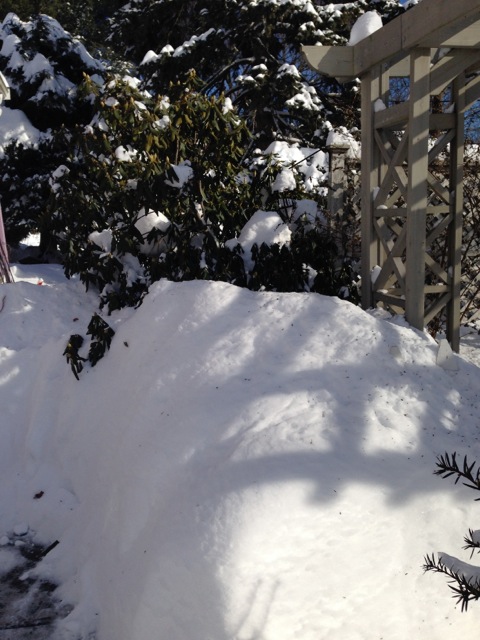
Gate shadows on snow

Thwomp-Boom, ice dams fall.
Birds sing as sunshine strengthens.
Drip, drip, icicle lengthens;
When will the snow go?

Canada Geese waddle into traffic,
Honking: Where’s the ground?
Where can food be found?
When will the snow go?

Cars honk back; engines roar.
Traffic stalls and goggles at geese.
Is it spring despite me wearing fleece?
When will the snow go?

Copyright 2015 Brenda Davis Harsham

Poetry Friday with kids

This Poetry Friday is wrangled by Author Amok. May your inner child be joyful this weekend!

Note: I was driving back from the pediatrician with my son, who clonked his head on the ice Sunday night (he has a mild concussion and will be fine), when two prosperous-looking Canada Geese waddled right across the busy road. The sight of them in the road is unusual, they generally congregate on grassy lawns. It reminded me that the wild things are even more inconvenienced by the remaining mountains of snow than I am. And that spring is nearly here!! Woo-hoo! The geese have returned! Given I was driving, I didn’t get a picture of them.

Remembering Leaves

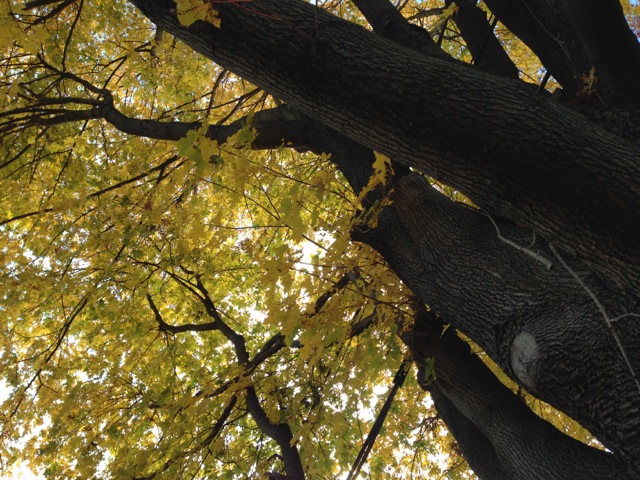
Golden Maple leaves

With puddles and ice
Lining sidewalks and streets,
I remember leaves.

First, the tease of buds.

Then the unfurling of
New leaves, palest green,
Sidewalks awash in bud casings.

Leaves as backdrop to the blooming of
Dogwoods, tulip magnolias, pink cherries,
White pear and apple,
Mauve plum and citrine cassia.
Continue reading

November Rose

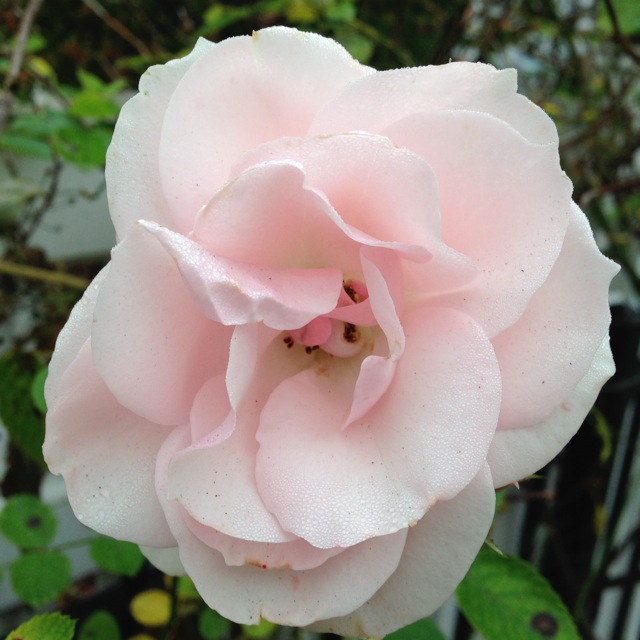
Pale Pink November Rose

pink November rose,
sweet-smelling fragrance rises
perfumes dreams of spring

Copyright 2014 Brenda Davis Harsham

Note: The snow has arrived, and we are eating chocolate-chip oat cookies and apple crisp. We taught the boys to play hearts, and having fun. I hope you are, too. Blessings to all!

Note 2: Unbelievably, I wrote this post yesterday, and I ran out of time to post it before other duties called. Then Michelle Marie wrote her post for me, that I reblogged today, and it’s as if she knew!! She is psychic!

Spring Bonnets

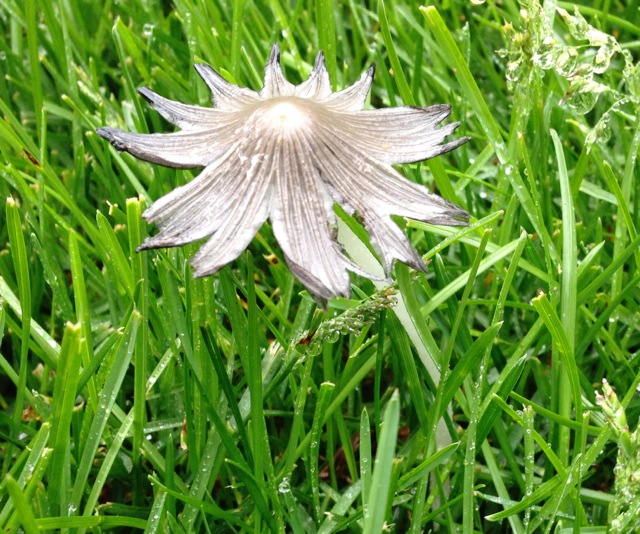
Lacy Cap Mushroom

lacy-capped mushrooms
popping up all over town
spring bonnets

Copyright 2014 Brenda Davis Harsham

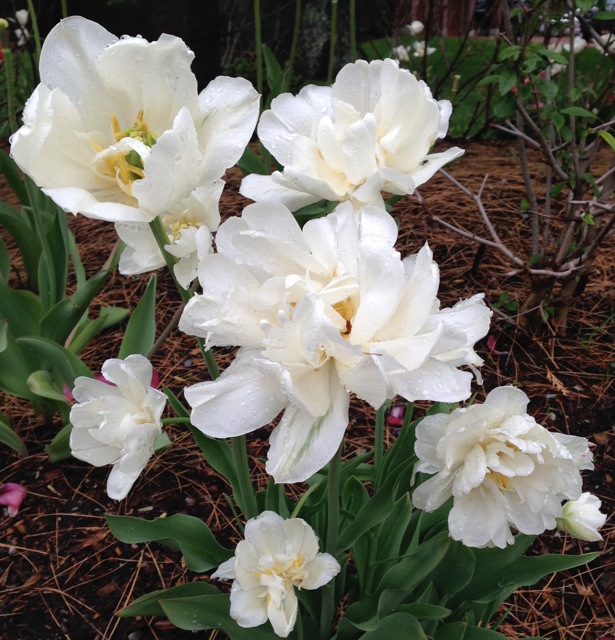
Fairy Tale Flower

White Tulips

To glow in the cold rain,
When bleak skies are dim,
And never once complain,
You could be written by Grimm.

Copyright 2014 Brenda Davis Harsham

White Tulips

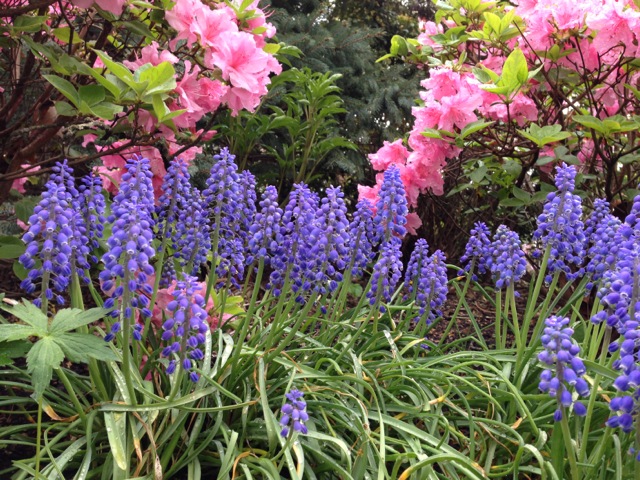
Flower Maelstrom

IMG_8212

colorful maelstrom
paradise of May flowers
butterflies welcomed

yellow tulips

azalea and wood hyacinth


Copyright 2014 Brenda Davis Harsham

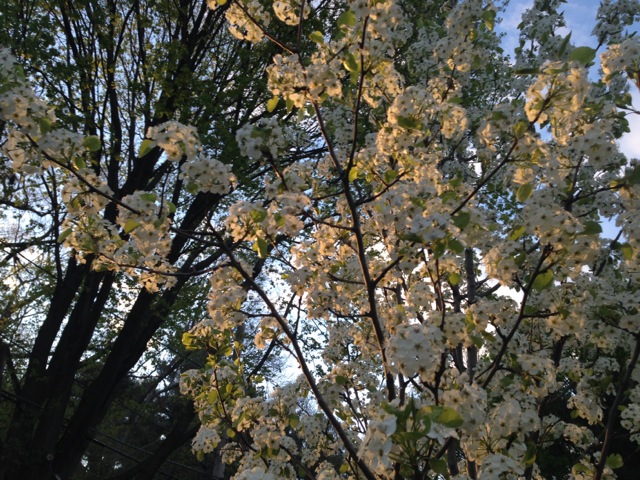
Sunset and the Bee

Sunset on the Pear Bloom

Bees gather nectar, frantic to finish tonight,
Before the ending day’s golden twilight
Has turned into black, stormy night.
The first spring blooms are key
For life of tree
And bee.

Copyright 2014 Brenda Davis Harsham

Note: My poem has six lines, with the rhyming pattern, AAABBB, and 12 syllables in the first line, and then decreasing by two syllables per line, until the last line, which has 2 syllables (or: 12, 10, 8, 6, 4, 2). I wanted to use a diminishing syllable count to parallel the dwindling of bees from colony collapse disorder. This poem is similar to a nonet, but the nonet has nine lines, with 9 syllables on the first line, and then it decreases by one syllable per line until the last line, which has one syllable.