Ends of the Earth Haībun

Definition of reverie: n. rev•er•ie (ˈrɛv ə ri) 
1. a state of meditation or fanciful musing: lost in reverie;
2. a daydream;
3. a fantastic, visionary, or impractical idea.
—  The Free Dictionary

IMG_9681

Mary Cassatt painted a woman contemplating a flower and titled the painting Reverie. I stared at that painting, reproduced in an Impressionist art book, struck by the name, a word unheard for years. I looked around the crowded Starbucks, and everyone was looking at a screen or talking intently to others. I wondered when was the last time I experienced a reverie. Do they exist anymore? Are they like the fabled unicorn, only appearing to young children?

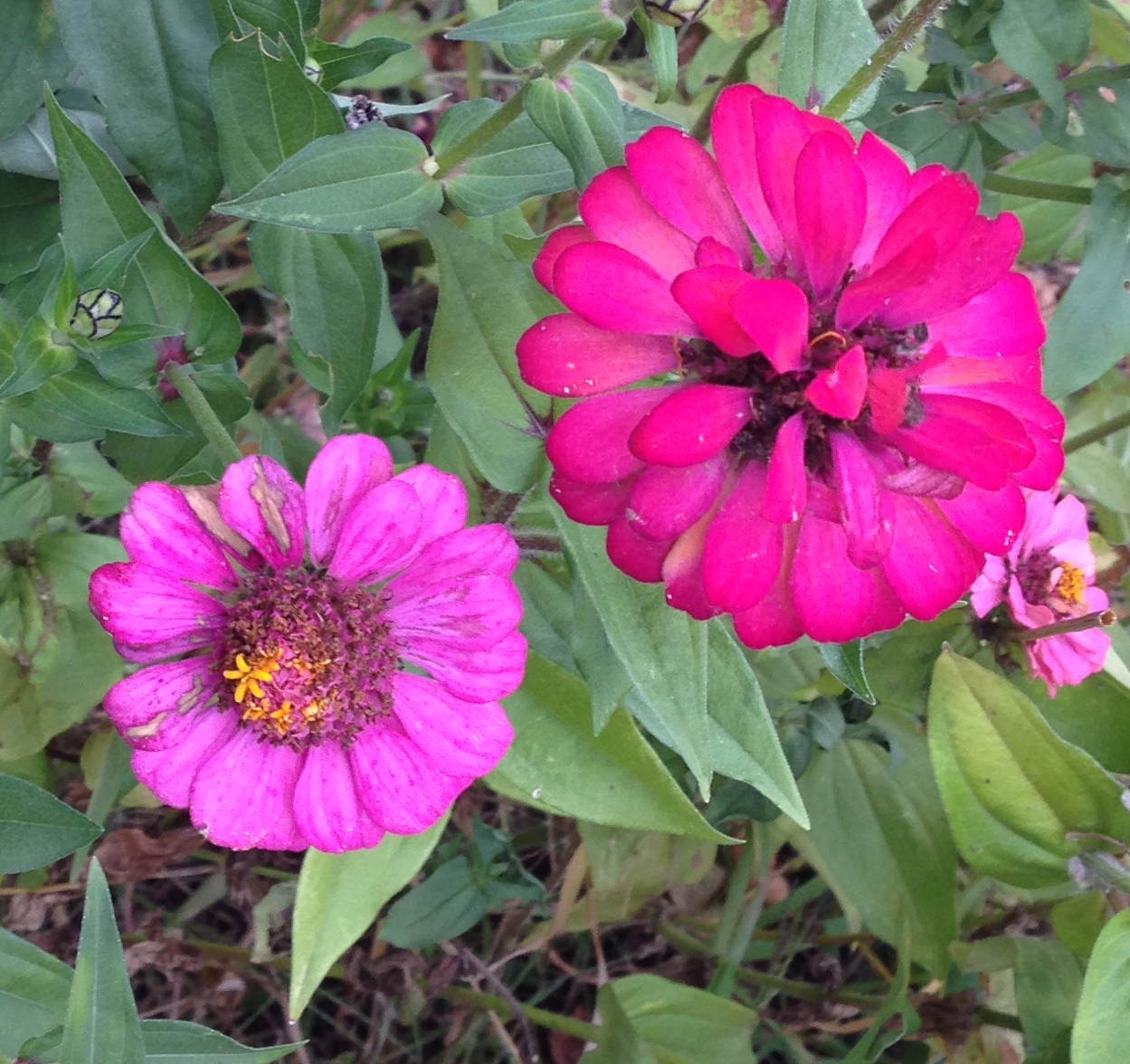
round, red zinnia
smells sweetly of rainy days
tastes of summer

I remember reveries from childhood. One time I toasted a hotdog on a bonfire. It was burnt on the outside and cold on the inside. Afterwards, I felt sleepy, contemplating the fire. I had a twilight dream that I was the hotdog, burnt on the side facing the fire and freezing on the side away.

Continue reading

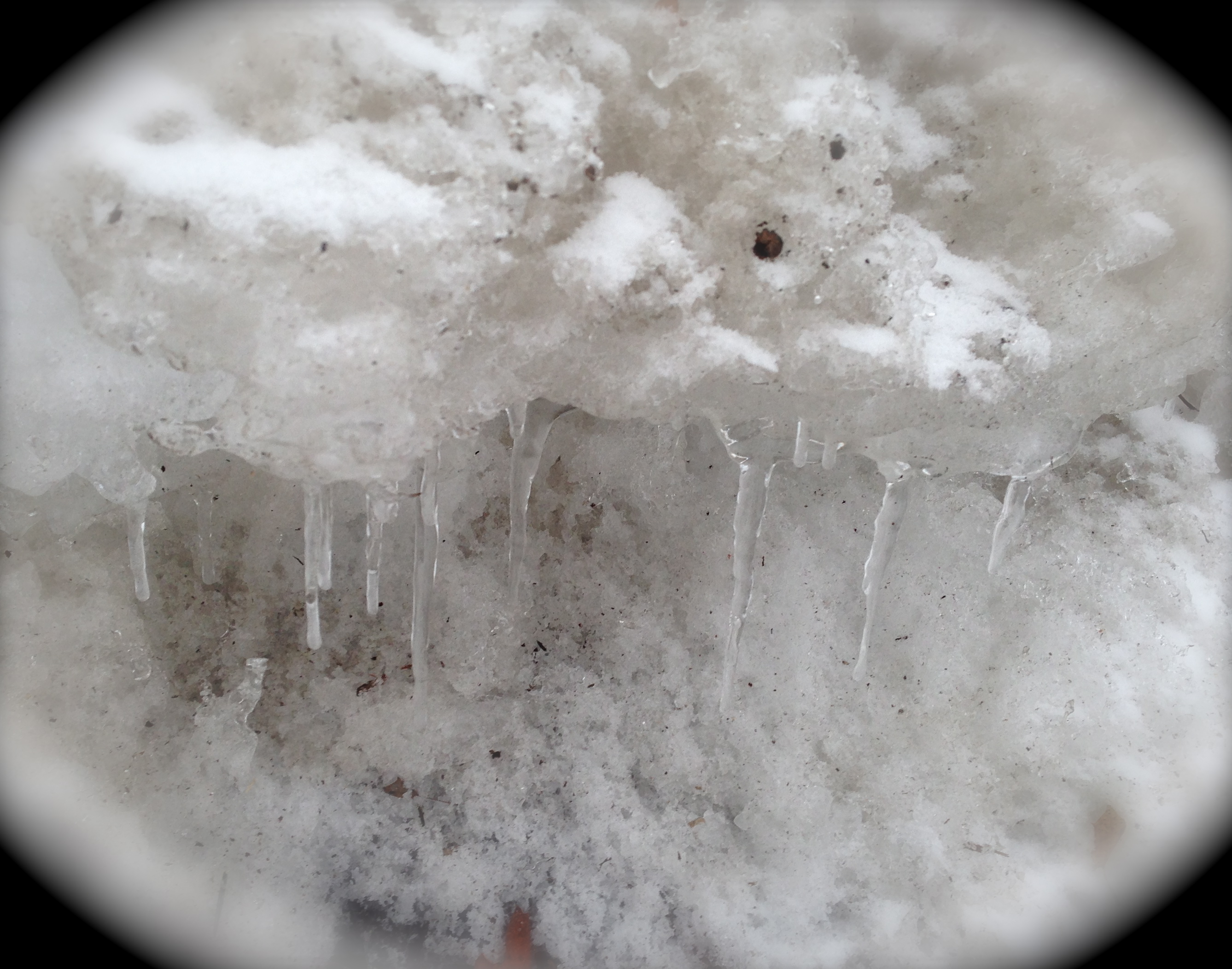
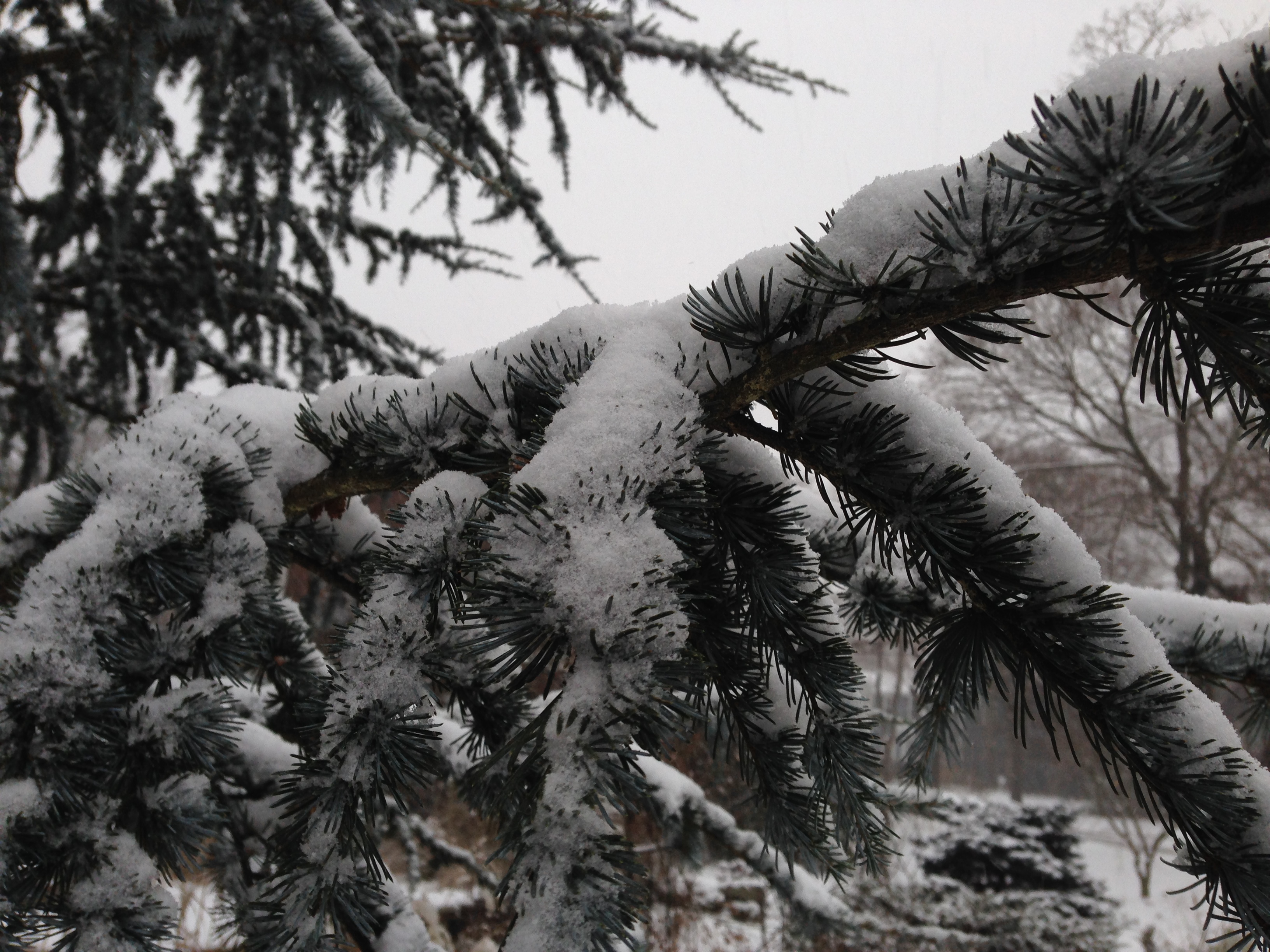
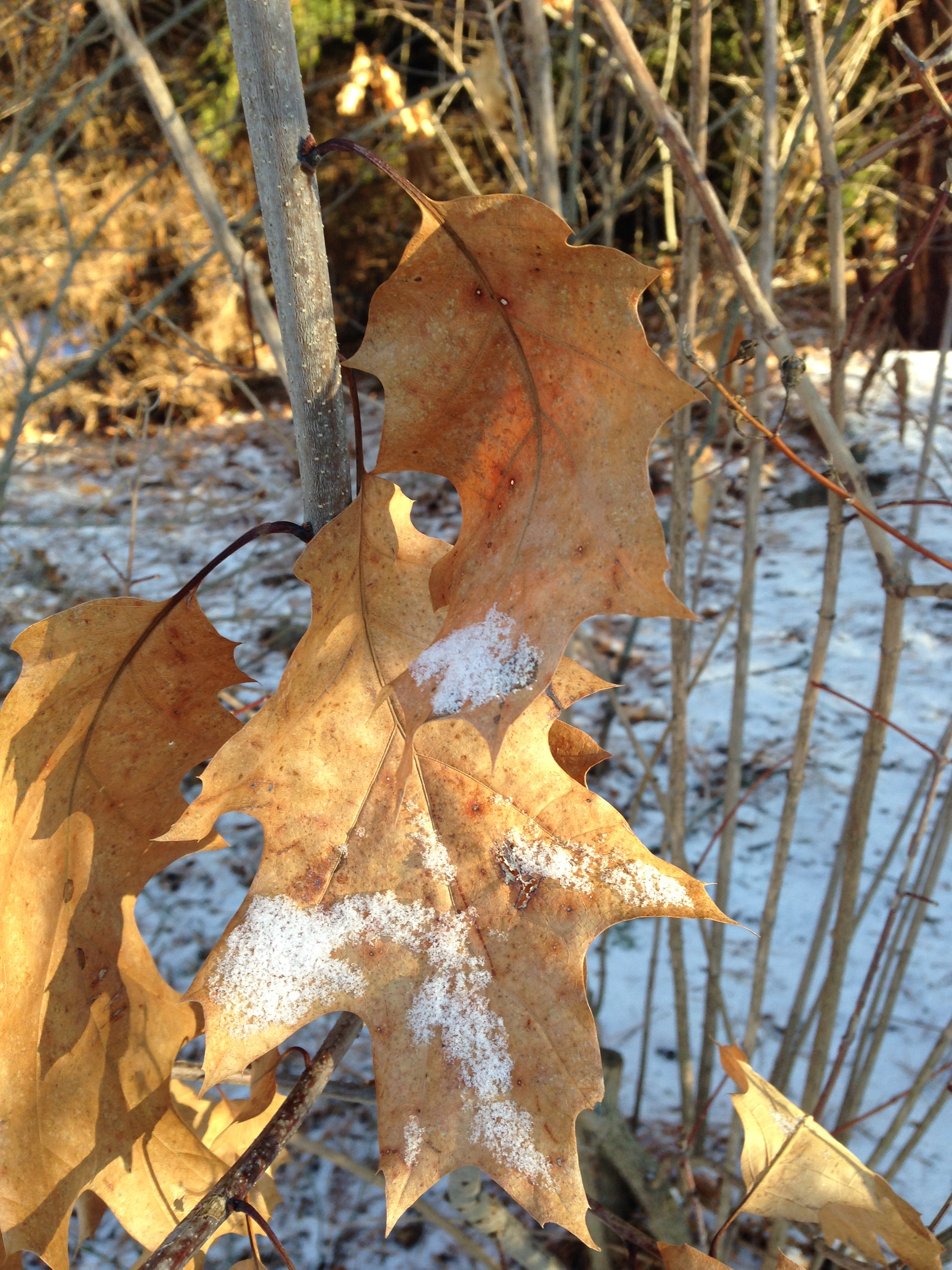
Three Photographs: Come and Gone

A haiku is not a poem, it is not literature; it is a hand beckoning,
a door half-opened, a mirror wiped clean. It is a way of returning
to nature, to our moon nature, our cherry blossom nature, our falling
leaf nature, in short, to our Buddha nature. It is a way in which
the cold winter rain, the swallows of evening, even the very day in
its hotness, and the length of the night, become truly alive, share
in our humanity, speak their own silent and expressive language. 
~R.H.Blyth~ Haiku, Volume One

IMG_3263

IMG_3316

IMG_3289

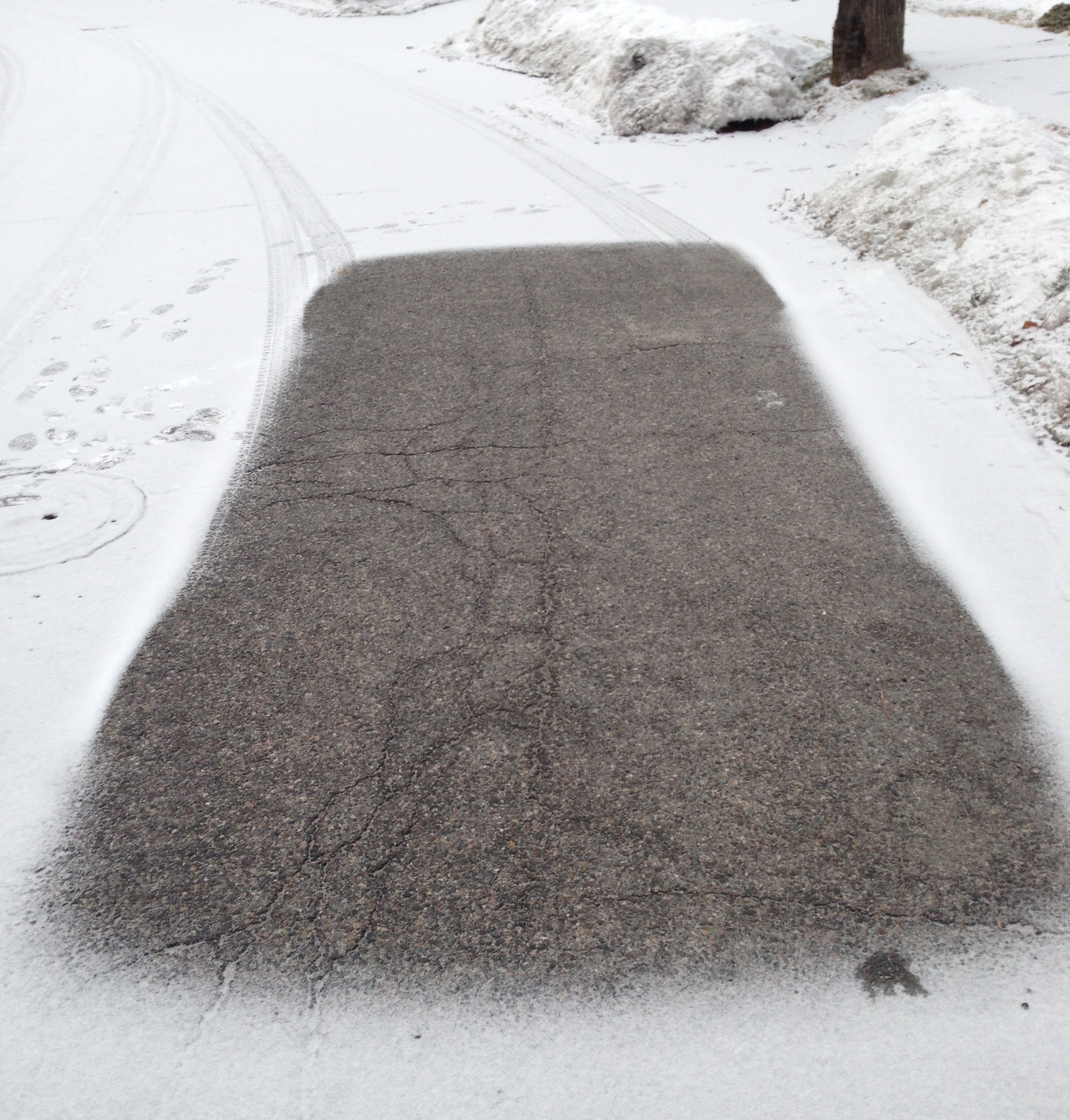
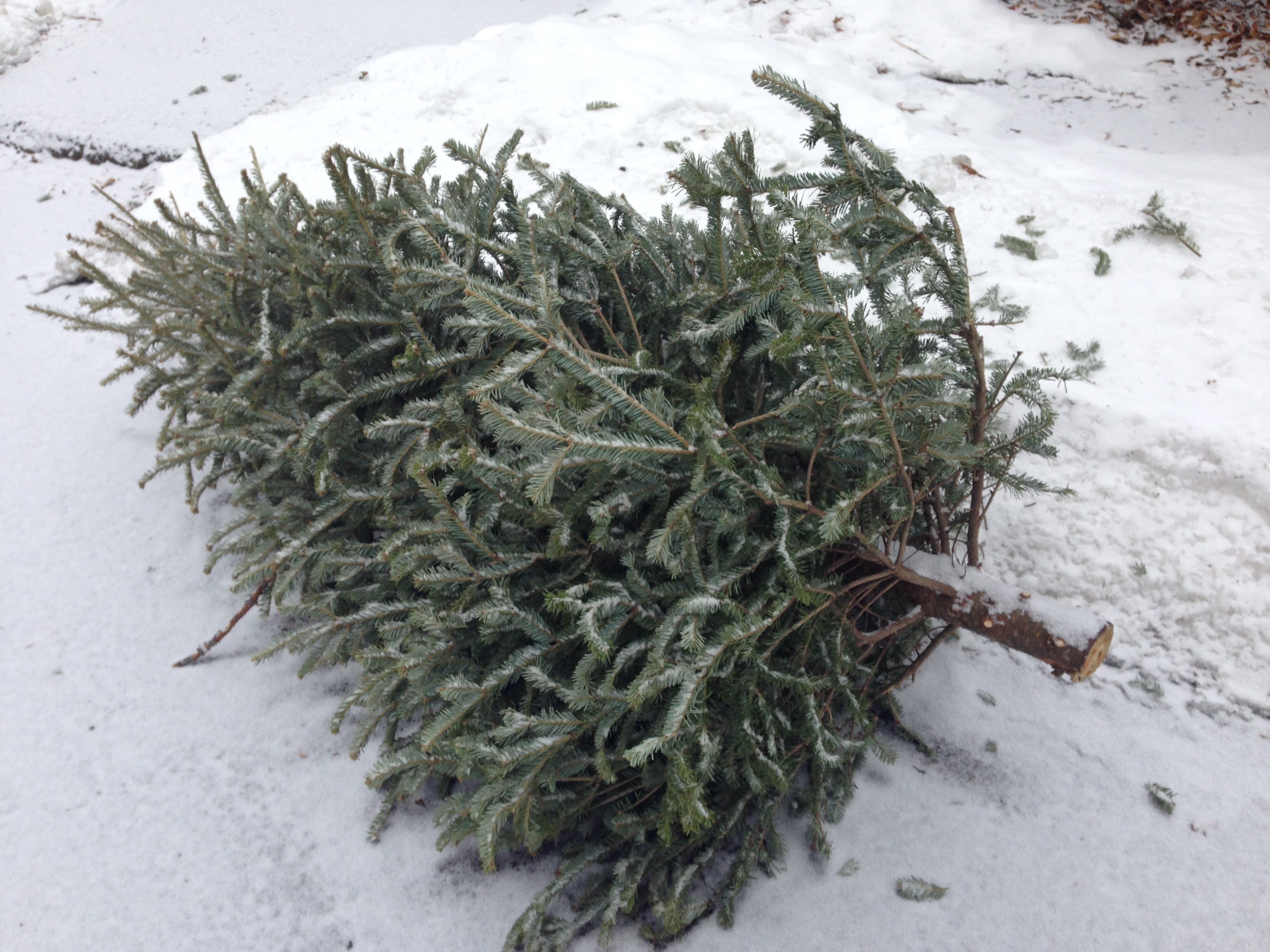
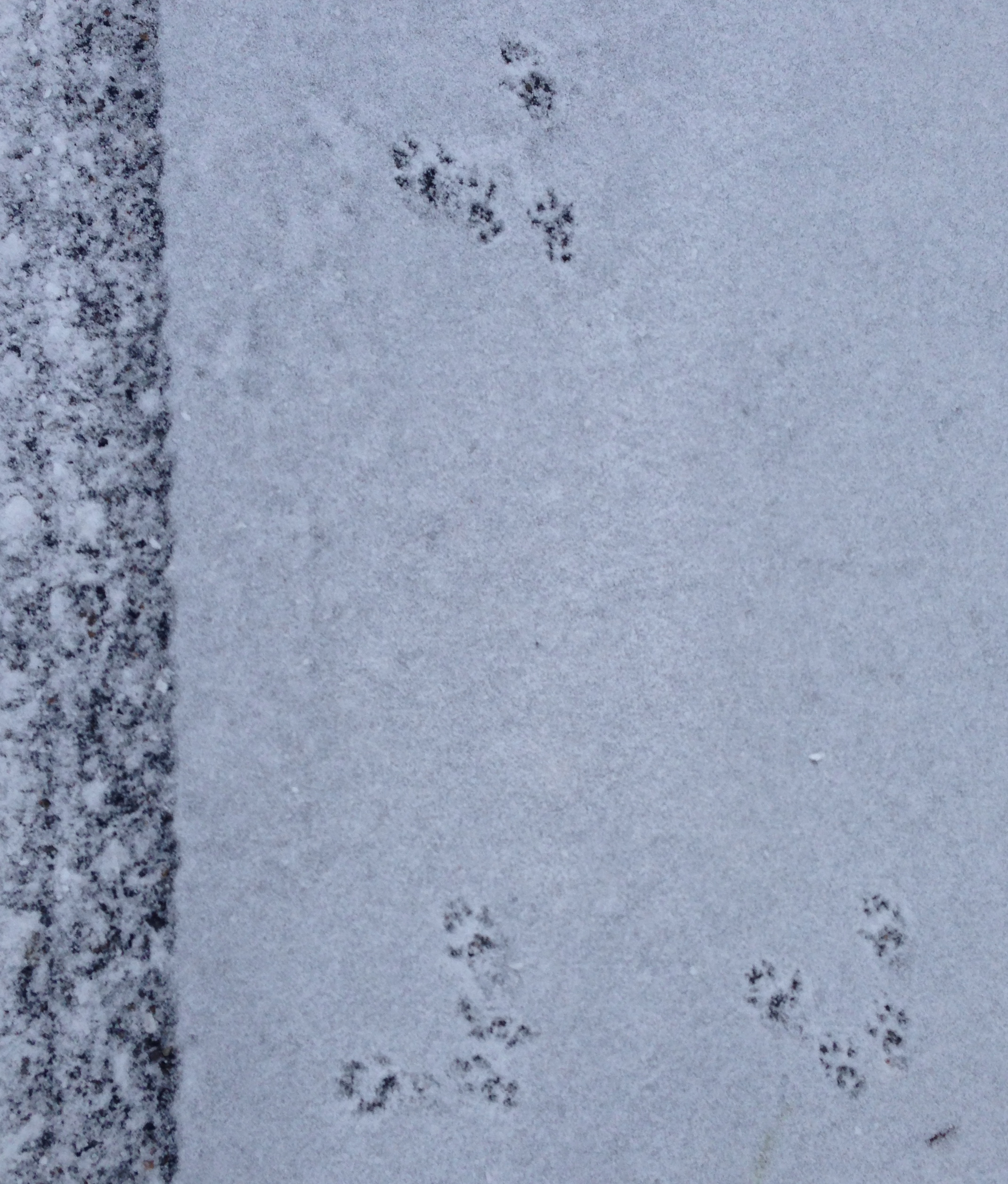
I originally wanted these three photographs to be one visual haiku, in my case meaning a poem in three lines, each photograph to represent a line. However, I found the term already in use, and I decided that each one individually fits the common definition: a photograph that says something more than the contents; it uses two or three elements to suggest more than is present. I hope you enjoy my three visual haiku.

Copyright 2014 Brenda Davis Harsham

References:

http://peace.wikia.com/wiki/Visual_Haiku
https://www.lensculture.com/articles/masao-yamamoto-visual-haiku
http://www.digitalphotoacademy.com/DpaObjects/viewTip/4450
http://www.haikupoetshut.com/viskundx.html
http://www.flickr.com/groups/visualhaiku/

We’re not scared!

IMG_3269

To the drooling snow monster,
who swallowed my thoughts of spring whole,
the sun will be coming for you,
in a month or two.

A few budding artists were inspired to draw their own snow monsters:

By M.H., aged 5, via his mom at Complexity through Joy

By M.H., aged 5, via his mom at Complexity through Joy

Coloring Page by Kyle H., aged 9.

Coloring Page by Kyle H., aged 9.

Copyright 2014 Brenda Davis Harsham

Note: Thanks to Janna at Complexity through Joy for the kind permission for use of her snow monster.

The church is near but the road is all ice; the tavern is far but I’ll walk very carefully. Russian Proverb

Five Brothers Tanka

IMG_2947

five brothers standing
together against all storms
facing the new year

letting go differences
roots intertwined for all time

Copyright 2014 Brenda Davis Harsham

Note: Tanka is defined in Oak Leak Tanka.

Choices for the Soul Haībun

IMG_2964

The church is near but the road is all ice;

the tavern is far but I’ll walk very carefully.

Russian Proverb

Years ago, I was working for a minimal salary. My net pay barely covered the expenses of professional clothing, commuting, food and rent. I worked very hard the first year, trying to be the perfect employee, working quickly, seeking extra work, hoping I would earn a big raise. I slid sideways into debt when my car was totaled in an accident and my cat needed expensive medicine.

Continue reading

Winter Harvest Ball

IMG_3119

Winter red thorns,
Hardened by ice
And sharpened twice
Into needles,

Holes bored through by
Friendly beetles.
Continue reading

The Best Evening Look

IMG_3113

A look that never goes out of style: the classic sunset.
Each tree takes her time dressing,
Wrapping herself in an ermine stole for a winter fete,
Mother Nature extends each a blessing.

Continue reading

Grasses Sing Haiku

IMG_2958

snowflakes fly sideways
grasses sing in the fierce wind
nature bows to storm

Copyright 2014 Brenda Davis Harsham

Note: Embracing the classical beginnings of haiku, as this author understands them, and as described in the post: Carpe Diem Goes Back to Its Roots #4 by Carpe Diem Haiku Kai. I cannot hope to explain haiku better, so I just link in zen appreciation. Peace and Joy!

Back to the Beginning Haībun

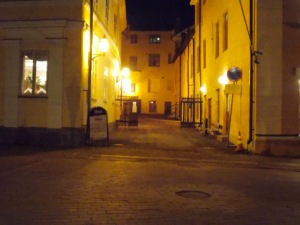
Picture Used by kind permission of Ines Williamson

Picture used by kind permission of Ines Williamson

In the yellow light of a new night, the cobblestones echo my thoughts back to me. “Why are you here?” Here is where I started, in a small apartment past that iron gate. The first sunshine I ever remember seeing flooded into my tiny room there on the third floor.

My friends and I played stickball and tackle-tommy in the Magic Between. That special time between school and dinner is what I miss most, that magical time when parents were busy and kids could play. I remember the Between as one big blur, like an endless summer day: my homerun, Jack’s skinned knee and when Bats broke his arm swinging over the fence instead of walking through like everyone else.

I rang in the New Year with my folks in their new place across town, but this golden gateway is where the little-me, my memory, still lives. I remember when Stefan’s snake escaped, and Mrs. Nolan came screaming down her stairs, after finding it curled under her stove.

Is home on these cobbles? Or in the window glass I looked through on a night like tonight? My sister and I wished on a star. Wishes are secret, but mine was to fly in an airplane one day, to be inside one leaving a contrail wide enough to be seen all over the city, knowing people were looking up at the roar I made. Then my sister and I realized the only star in the sky was moving, not a star at all, probably an airplane. Do wishes made on planes come true? This one did.

I came back to my hometown on an airplane, home to see my folks, so happy in their new apartment, all their things reduced and rearranged. My sister is busy with her three kids and their teenage angst, but she came to see me and our parents. I don’t think she really saw me. We barely spoke. I couldn’t think what to say to her. I wonder what her wish was, all those years ago. I know better than to ask. Now a new airplane will take me home to Boston, my other home.

home is in my heart
not here on this cobbled street
but I hear its echo

Copyright 2014 Brenda Davis Harsham

Inspired by the first Līgo Haībun Challenge of 2014, part of a picture prompt from Ese at Ese’s Voice.
Oak Leaf Tanka

IMG_2789

small oak sapling sways
leaves bob in the bitter wind
frosted with snowflakes

waving to fallen leaf friends
oak leaf lingers to kiss spring buds

Copyright 2014 Brenda Davis Harsham

Note: A Tanka is a Japanese poetry form that has five lines with syllable counts per line of 5, 7, 5, 7, and 7. In another way of thinking of it, a Tanka is a haiku with two longer seven-syllable lines added as a second stanza. Some purists find fault with any rhyming within the poem. The third line is intended to be a turning point, or a pivot, about which the meaning of the poem turns or changes. I don’t know if my poem achieved that or not. I enjoyed learning about it, and I hope you’ll give it a try, too.

References:

http://www.edu.pe.ca/stjean/playing%20with%20poetry/Hennessey/how_to_write_a_tanka_poem.htm
http://en.wikipedia.org/wiki/Tanka
http://examples.yourdictionary.com/reference/examples/examples-of-tanka-poetry.html
http://www.poetry4kids.com/blog/news/how-to-write-a-tanka-poem/

Grab Your Coat! It’s One Below Zero!!

IMG_2989

Even the bushes have on their coats
Continue reading

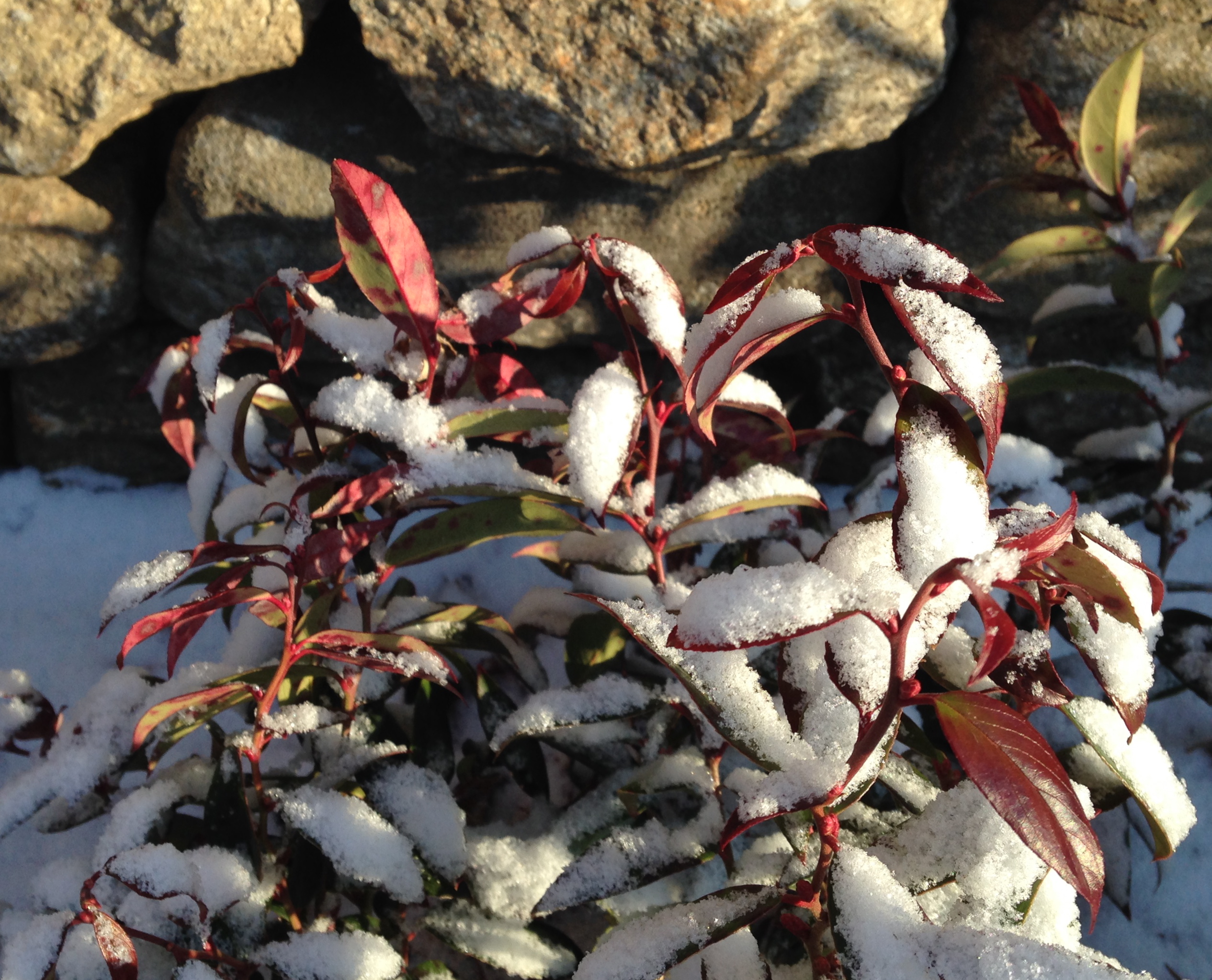
Red Pajamas Shadorma

IMG_2772

Little leaves
Buried in the snow,
Peeking out
Like children,
Dressed in their red pajamas,
Throwing off covers.

Copyright 2014 Brenda Davis Harsham

Note: This poem is called a Shadorma, which is a rhythmic six-line poetry form, each line having specific syllable counts of 3, 5, 3, 3, 7 and 5. It may be modern; it may be a revived older poetry form. Some attribute it to Spain, although to me it sounds Indian, for no other reason than it rhymes with Lamb Korma. No authority I found gave it a definitive origin, and I offer it to you as a beautiful form, allowing a licentious 26 syllables instead of the austere 17 permitted by haiku. It’s a heady freedom!

References:

http://risinghawkspeaks.wordpress.com/2013/12/22/noreaster/
http://en.wikipedia.org/wiki/Shadorma
http://www.poetrypages.com/phpBB3/viewtopic.php?t=16872
http://www.writersdigest.com/editor-blogs/poetic-asides/poets/shadorma-a-highly-addictive-poetic-form-from-spain
http://popularpoetryforms.blogspot.com/2013/01/shadorma.html
http://caraholman.wordpress.com/tag/shadorma-poetry/